The Genetic Lottery Winners Teaching Fitness Like It's Universal
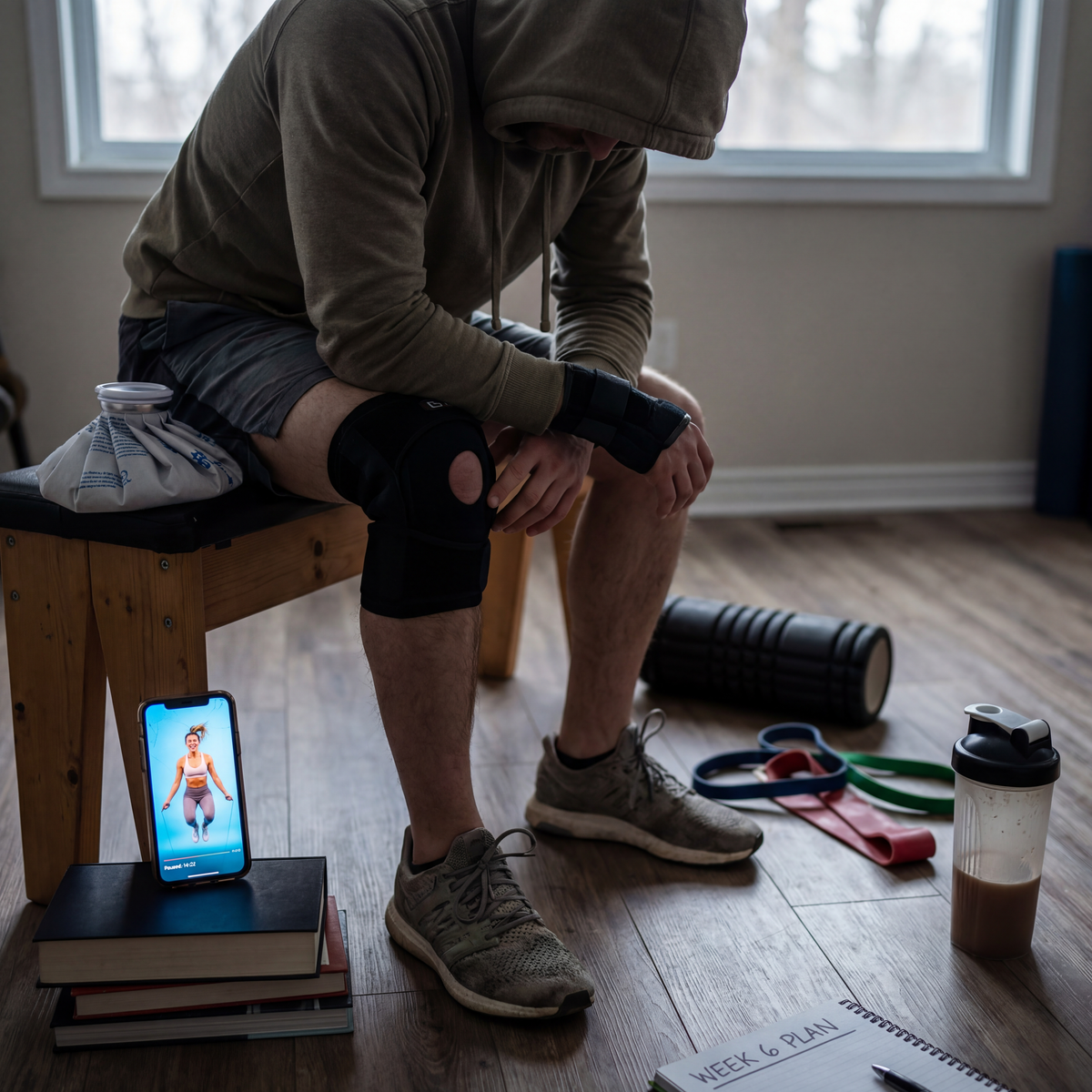
I had a client who did everything right.
He followed a popular influencer's program exactly. Every workout, every meal, every rest day protocol. Six weeks in, he was exhausted, his joints hurt, and he'd gained fat despite perfect compliance.
The program wasn't bad. It just wasn't built for his body.
Most fitness content comes from people who won a genetic lottery they don't know they entered. They respond fast to training. They recover quickly. Their bodies tolerate intensity that would break most people.
Then they teach their routines as if biology is optional.
Your Body Isn't Their Body
Here's what the transformation photos don't tell you: genetic differences explain 72% of the variation in muscle strength outcomes between people following identical training programs.
Not effort. Not discipline. Genetics.
When researchers tracked people through standardized training protocols, about 5% showed little or no improvement in cardiovascular fitness. Another 5% saw increases of 40-50%. Same program. Wildly different results.
The influencer teaching you their exact routine probably sits in the top 5%. Their body responds to almost anything. Yours might need something completely different.
This isn't about excuses. This is about reality.
The Mismatch Most People Miss
I see this pattern constantly: someone finds a program from someone else and assumes the failure is personal when things don't work.
The real failure is structural.
Influencer programs are built for visibility and broad appeal. They assume you have time, energy, and consistency most high-performing adults don't possess anymore. They're designed for controlled environments, not volatile ones.
When the program demands five intense workouts per week and you're traveling, sleeping poorly, and working long days, your body doesn't adapt. Your body resists.
This isn't a mindset issue. This is biology doing its job.
I had another client who insisted on following a celebrity trainer's routine. The program required two hours daily, perfect meal timing, and specific supplements. She lasted three weeks before her sleep collapsed and her hunger went haywire.
She thought she lacked discipline. I saw a nervous system under siege.
The Injury Pattern Nobody Talks About
This is where things get dangerous.
Research tracking workout-related injuries from 2007 through 2016 found a 144% increase in all workout-related injuries. The spike correlated directly with a 274% increase in high-intensity interval training popularity.
More people doing programs designed for peak performers equals more injuries.
The programs aren't bad. They're built for bodies able to handle specific stress loads. When you copy them without accounting for your recovery capacity, your schedule, or your injury history, you're not being disciplined.
You're being reckless.
I've seen this play out dozens of times. Someone follows an intense program perfectly for a few weeks, then develops shoulder pain, knee issues, or chronic fatigue. They push through because "that's what commitment looks like."
No. That's what ignoring your body's signals looks like.
What Actually Works
Real progress comes from matching the program to your life and biology.
Not the life you wish you had. Not the recovery capacity someone else possesses. Your real constraints.
When I work with clients, the first thing I do is strip away the aspiration and look at reality. How much sleep do you get? What does your stress load look like? How volatile is your schedule?
Then we build something your environment supports.
One client wanted to train five days per week because his favorite fitness personality recommended doing so. His schedule was chaotic, he traveled all the time, and he slept six hours a night.
We started with three 40-minute sessions and a daily walking minimum. No optional finishers. No makeup sessions. On off days, just a short walk.
Within three weeks, his sleep improved. His workouts felt strong instead of punishing. Eight weeks in, his strength went up and his body composition improved.
The breakthrough wasn't doing more. The breakthrough was doing something his system supported.
The Questions You Should Ask
Before you follow anyone's program, ask yourself:
Does this person's life look like mine? If they're a full-time fitness professional with controlled schedules and their entire day structured around training, their program probably won't translate to your reality.
Do they account for bad weeks? If the program requires perfect conditions to work, things will collapse the first time life gets messy.
Can I maintain this for months, not weeks? Intensity you sustain for three weeks means nothing if things break you by week four.
Does this assume I recover like they do? Some people bounce back fast. Others need more time. If the program doesn't account for individual recovery needs, they're guessing.
What happens when I miss a day? If one missed workout triggers a full restart or feelings of failure, the system is fragile.
The Real Discipline
Following a program not built for you isn't discipline. You're self-discounting.
Real discipline looks like adjusting inputs to match reality instead of forcing yourself to live like someone whose entire job is fitness.
I'm not saying you shouldn't work hard. Hard work on the wrong system generates fatigue and frustration.
The clients who make lasting progress aren't the ones who push hardest. They're the ones who build systems aligned with their biology, schedule, and stress load.
They stop trying to become someone else and start working with who they are.
What This Means for You
If you've been following programs looking impressive but feeling unsustainable, you're not the problem.
The problem is you're operating from someone else's genetic blueprint and life structure.
Start by getting honest about your capacity. Not what you think you should handle. What you maintain when weeks go bad, sleep suffers, and stress runs high.
Build from there.
Strip the program down to minimums surviving disruption. Once those hold consistently, you add complexity. But only after you prove the foundation works in real life.
The transformation photos are impressive. But they don't tell you about the genetics, the time, the recovery capacity, or the life circumstances that made them possible.
Your body isn't their body. Your life isn't their life.
Stop trying to force yourself into someone else's blueprint. Build something for your reality.
You're not settling. You're being strategic.